
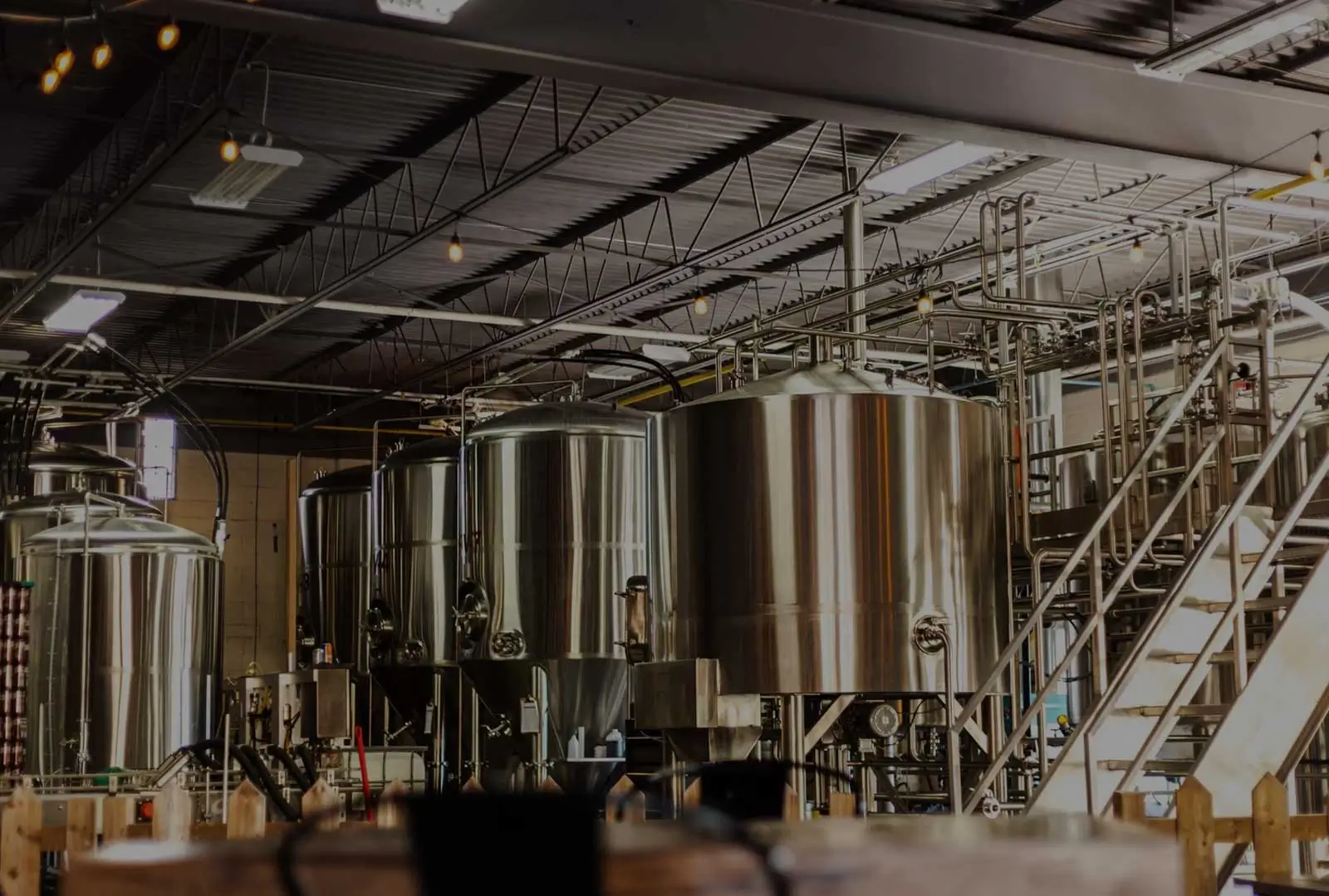
 For quality and innovation, turnkey solutions do not imply compromise. Modern, high-end turnkey brewery solutions integrate flexible, modular designs, allowing brewers to adjust over 50 key process parameters, such as fermentation pressure (range 0-2.0 bar) and dry hopping rate. A 2022 study by the Brewers Association (BA) indicated that emerging breweries using modular turnkey equipment had an average product development-to-market cycle of 45 days, 40% faster than breweries using fragmented, secondhand equipment. This acts as a powerful innovation engine, ensuring stable baseline output (e.g., an annual batch variation rate of less than 5%) while still providing 30% of capacity for experimental brewing, helping breweries maintain their innovation frequency in a competitive market.
From a market competition and risk management perspective, this is a strategic decision. New breweries face a failure rate exceeding 60%, with poor supply chain management and compliance issues accounting for 30% of the main reasons. Reputable turnkey brewery solutions providers offer end-to-end services, from equipment and training to local regulatory certification support, reducing compliance risks by approximately 80%. For example, referring to case studies from some emerging craft brewery districts in China in 2023, breweries using turnkey solutions had near-zero safety incident rates during the construction phase, while self-built breweries averaged 1.5 incidents per project. This is equivalent to purchasing "comprehensive insurance" for your dream, allowing you to focus 90% of your energy on brand building, customer growth, and flavor exploration, thereby achieving your goal of 10% market penetration growth within 6-9 months of opening. Choosing a suitable Turn-Key brewery solution is essentially choosing a path with higher certainty and a steeper growth slope, allowing your craft brewing dream to become a reality with the highest efficiency and the lowest deviation rate.
For quality and innovation, turnkey solutions do not imply compromise. Modern, high-end turnkey brewery solutions integrate flexible, modular designs, allowing brewers to adjust over 50 key process parameters, such as fermentation pressure (range 0-2.0 bar) and dry hopping rate. A 2022 study by the Brewers Association (BA) indicated that emerging breweries using modular turnkey equipment had an average product development-to-market cycle of 45 days, 40% faster than breweries using fragmented, secondhand equipment. This acts as a powerful innovation engine, ensuring stable baseline output (e.g., an annual batch variation rate of less than 5%) while still providing 30% of capacity for experimental brewing, helping breweries maintain their innovation frequency in a competitive market.
From a market competition and risk management perspective, this is a strategic decision. New breweries face a failure rate exceeding 60%, with poor supply chain management and compliance issues accounting for 30% of the main reasons. Reputable turnkey brewery solutions providers offer end-to-end services, from equipment and training to local regulatory certification support, reducing compliance risks by approximately 80%. For example, referring to case studies from some emerging craft brewery districts in China in 2023, breweries using turnkey solutions had near-zero safety incident rates during the construction phase, while self-built breweries averaged 1.5 incidents per project. This is equivalent to purchasing "comprehensive insurance" for your dream, allowing you to focus 90% of your energy on brand building, customer growth, and flavor exploration, thereby achieving your goal of 10% market penetration growth within 6-9 months of opening. Choosing a suitable Turn-Key brewery solution is essentially choosing a path with higher certainty and a steeper growth slope, allowing your craft brewing dream to become a reality with the highest efficiency and the lowest deviation rate.
Are Turn-Key brewery solutions Suitable for New Craft Brewers?
Imagine aspiring brewers taking their first steps from concept to bottling within 12 months, compared to the average 24 months or longer required for traditional in-house setups. This is one of the core advantages of Turn-Key brewery solutions, reducing the setup time by over 50%. From a financial perspective, a basic turn-key craft brewery solution might cost between $200,000 and $500,000. While this may seem like an initial investment, compared to the average 15% to 25% overspending risk associated with in-house procurement and piecemeal integration, its overall cost control is significantly improved. According to a 2023 market analysis by the *Brewing Business Journal*, startups using such solutions are 30% more likely to achieve cash flow balance in their first year than traditional methods, as equipment integration and commissioning time can be reduced from 90 days to within 30 days, increasing cash flow by 300% and accelerating the production and return-on-investment cycle.
On the operational and technical levels, Turn-Key brewery solutions offer proven, standardized processes. A typical solution might include an integrated system with a capacity of 10 barrels (approximately 1.17 cubic meters), boasting a heat recovery efficiency of up to 85%, reducing energy costs by 20%. Simultaneously, the automated control system maintains precise temperature control during saccharification and boiling within ±0.5°C, ensuring a stable starch conversion rate of 98%. Solutions from renowned suppliers such as Krones (Germany) or Sino-German Brewery offer pre-programmed solutions that free brewers from tedious equipment setup, reducing human error rates by approximately 70%. This allows even novice brewers to consistently produce beers with a quality dispersion (standard deviation) below 0.5 (out of 10 for flavor rating), significantly ensuring the consistency of base products.
For quality and innovation, turnkey solutions do not imply compromise. Modern, high-end turnkey brewery solutions integrate flexible, modular designs, allowing brewers to adjust over 50 key process parameters, such as fermentation pressure (range 0-2.0 bar) and dry hopping rate. A 2022 study by the Brewers Association (BA) indicated that emerging breweries using modular turnkey equipment had an average product development-to-market cycle of 45 days, 40% faster than breweries using fragmented, secondhand equipment. This acts as a powerful innovation engine, ensuring stable baseline output (e.g., an annual batch variation rate of less than 5%) while still providing 30% of capacity for experimental brewing, helping breweries maintain their innovation frequency in a competitive market.
From a market competition and risk management perspective, this is a strategic decision. New breweries face a failure rate exceeding 60%, with poor supply chain management and compliance issues accounting for 30% of the main reasons. Reputable turnkey brewery solutions providers offer end-to-end services, from equipment and training to local regulatory certification support, reducing compliance risks by approximately 80%. For example, referring to case studies from some emerging craft brewery districts in China in 2023, breweries using turnkey solutions had near-zero safety incident rates during the construction phase, while self-built breweries averaged 1.5 incidents per project. This is equivalent to purchasing "comprehensive insurance" for your dream, allowing you to focus 90% of your energy on brand building, customer growth, and flavor exploration, thereby achieving your goal of 10% market penetration growth within 6-9 months of opening. Choosing a suitable Turn-Key brewery solution is essentially choosing a path with higher certainty and a steeper growth slope, allowing your craft brewing dream to become a reality with the highest efficiency and the lowest deviation rate.
For quality and innovation, turnkey solutions do not imply compromise. Modern, high-end turnkey brewery solutions integrate flexible, modular designs, allowing brewers to adjust over 50 key process parameters, such as fermentation pressure (range 0-2.0 bar) and dry hopping rate. A 2022 study by the Brewers Association (BA) indicated that emerging breweries using modular turnkey equipment had an average product development-to-market cycle of 45 days, 40% faster than breweries using fragmented, secondhand equipment. This acts as a powerful innovation engine, ensuring stable baseline output (e.g., an annual batch variation rate of less than 5%) while still providing 30% of capacity for experimental brewing, helping breweries maintain their innovation frequency in a competitive market.
From a market competition and risk management perspective, this is a strategic decision. New breweries face a failure rate exceeding 60%, with poor supply chain management and compliance issues accounting for 30% of the main reasons. Reputable turnkey brewery solutions providers offer end-to-end services, from equipment and training to local regulatory certification support, reducing compliance risks by approximately 80%. For example, referring to case studies from some emerging craft brewery districts in China in 2023, breweries using turnkey solutions had near-zero safety incident rates during the construction phase, while self-built breweries averaged 1.5 incidents per project. This is equivalent to purchasing "comprehensive insurance" for your dream, allowing you to focus 90% of your energy on brand building, customer growth, and flavor exploration, thereby achieving your goal of 10% market penetration growth within 6-9 months of opening. Choosing a suitable Turn-Key brewery solution is essentially choosing a path with higher certainty and a steeper growth slope, allowing your craft brewing dream to become a reality with the highest efficiency and the lowest deviation rate.
· · ·